

August 21, 2026
Canvas Wraps in Los Angeles: Bar Depth, Bleed and What Actually Survives the Wall
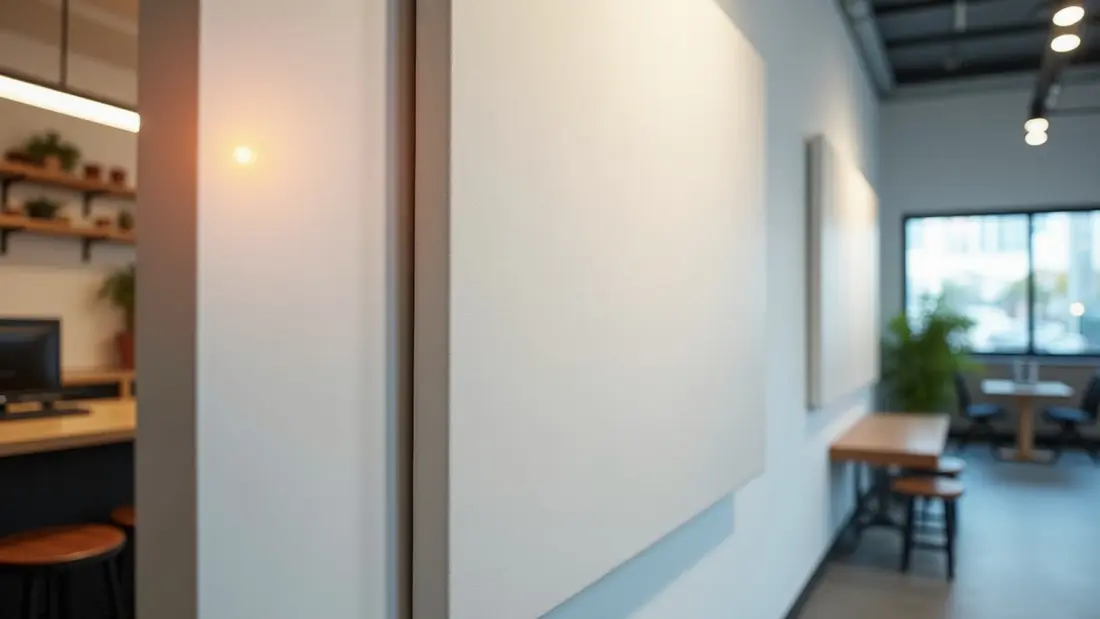
Canvas wrap requests arrive at the shop in two very different moods. One is personal: a wedding photo, a dog, a shot from a trip, something that has been sitting on a phone for two years and is finally going on a wall. The other is commercial: a restaurant covering a blank stretch of drywall, a salon in North Hollywood putting up six panels of its own work, a real estate office turning neighborhood photography into decor. The product is the same — an inkjet print on canvas stretched over a wooden frame — but the questions that decide whether it looks right are always the same four, and people usually only think about one of them. Our canvas wraps start at $26.67, which is cheap enough that the temptation is to order without asking. Ask anyway. Here is the order we ask in.
What you are actually buying
A canvas wrap is a print on coated canvas, stretched over kiln-dried wooden stretcher bars, folded around the corners and stapled on the back. There is no glass, no frame and no mat. That is the entire appeal: it reads as an object rather than as a document, it has depth in profile, and it does not throw glare across the room the way glazed frames do in a space with downlights or a west-facing window. It also weighs almost nothing compared to a framed print of the same size, which matters more than people expect when the wall is drywall or the piece is going above a couch.
The tradeoff is that the printed surface is exposed. There is no glass between your artwork and the room, so the coating on the canvas and the clear coat we apply after printing are doing all the protective work. In a kitchen, a bar, or a salon with product mist in the air, that is a real consideration, and it is the main reason we sometimes steer a job to a different material entirely.
Bar depth, and why it changes the look
Stretcher bars come in two common depths and they produce two different pieces. Three-quarter inch bars sit close to the wall and read like a flat panel — fine for a gallery grouping where the images are supposed to be the object, fine for smaller sizes, and the cheaper option. Inch-and-a-half bars stand off the wall, throw a shadow line underneath, and give the piece the museum profile most people are actually picturing when they say canvas.
Depth is also structural. Above roughly 30 inches on the long side, three-quarter inch bars start to be a liability: canvas tension pulls inward over time and a shallow frame will bow visibly at the middle of a long edge. At 40 inches and beyond we want the deeper bar and usually a cross brace behind it. If your piece is going somewhere warm — a sunroom, a wall that backs onto a garage, anything in the Valley that gets afternoon heat — go deeper than you think, because heat and humidity swings are exactly what make canvas slacken and re-tighten over a year.
The edges: mirror, gallery, or color
This is where most canvas reprints come from. The wrap consumes image on all four sides — with inch-and-a-half bars, roughly two inches of your photo disappears around the outside, an inch and a half onto the side of the frame plus the fold onto the back. If the composition is tight, you will lose a head, a hand or a horizon and never see it on the front.
There are three ways to handle it. Image wrap continues the actual photograph around the sides, which looks best on landscapes and abstracts with room to spare. Mirror wrap flips a strip of the edge and wraps the reflection, so nothing is lost from the front face and the sides read as a soft continuation — this is the safe default for portraits and for anything cropped close. Solid color wrap runs black, white or a sampled color around the sides, which is the cleanest option for graphics, logos and typographic pieces where a mirrored strip would look like a mistake.
Whichever you pick, keep everything that must be visible at least two inches inside the frame line, and send the file with real bleed rather than expecting us to invent pixels that were never photographed.
Files: resolution is the whole game
Canvas is forgiving of resolution in a way glossy paper is not — the woven texture hides a multitude of sins, and viewing distance is usually four feet or more. That does not mean anything goes. We want roughly 150 dpi at final size as a working target: a 24 × 36 inch wrap wants about 3600 × 5400 pixels. A modern phone photo shot in good light will hold up at 24 × 36; the same photo cropped to a quarter of the frame will not.
What canvas will not hide is upscaling artifacts and heavy JPEG compression from years of being messaged around. A file that has been forwarded, saved, screenshotted and re-sent has blocky edges around high-contrast lines, and stretching it to two feet makes those blocks two feet wide. Send the original off the camera or out of Lightroom, in TIFF, PNG or high-quality JPEG, in sRGB or Adobe RGB, and tell us if the color has been graded on a screen you trust.
Coating, and a Los Angeles wall
Every canvas we print gets a clear protective coat, and the finish choice is matte or satin. Matte kills reflections completely and suits a room with hard downlights or a lot of window glass — most LA living rooms and most restaurant walls. Satin gives blacks more depth and colors more punch, which portraits and dark, moody images want, at the cost of some glare from a point light source.
The one environmental factor worth being blunt about: direct sunlight fades everything, and a wall that gets two hours of unfiltered afternoon sun through untreated glass will visibly shift a print over a few years. The coating slows it, it does not stop it. If the only good wall in the room is that wall, hang the canvas anyway — just do not put an irreplaceable one-off there, and consider window film. Bathrooms and unconditioned patios are the other places we would not put stretched canvas; the frame is wood, and wood moves with moisture.
Where canvas is the wrong material
If the panel needs to be wiped down daily, if it is going behind a bar or in a kitchen, or if it needs to survive a cleaning crew, canvas is not the answer. That is acrylic printing from $90 — a rigid printed panel with a face that takes a cloth without complaint and a gloss depth canvas cannot reach. If what you want on the wall is a logo and a company name rather than an image, acrylic business signs from $46.76 on standoffs are the piece that reads as a reception sign instead of as decor. And if the goal is to get people in off the street, the wall is not where the work happens at all — that is the A-frame sidewalk sign from $94.99. We would rather point you at the right one than sell a canvas that ends up in the back office in six months.
For a storefront where the interior decor, the window, the sign band and the sidewalk piece all have to look like one business, that planning is what our signage and front signs work covers, and the visibility pieces — banners, roadside, campaign-level promotion — sit under outdoor advertising.
Hanging it, and sizing it to the wall
Two rules cover most of it. Size the piece to about two-thirds the width of the furniture it sits above — a 72-inch sofa wants roughly a 48-inch canvas or a group that spans that much. And hang so the center of the image lands around 57 to 60 inches off the floor, which is standard eye level, unless it is going above furniture, in which case leave 6 to 10 inches of breathing room above the back.
Hardware depends on the wall, same as any sign. Drywall takes a picture hanger into a stud, or toggles for anything over about 15 pounds — a large canvas is light, but plastic ribbed anchors still work their way loose. Plaster over lath wants a pilot hole so it does not spall. Stucco and masonry need a masonry bit and sleeves. For multi-panel groupings, keep the gaps consistent — 2 to 3 inches between panels reads as one piece, wider than 4 and it reads as separate pictures.
What moves the price
Four things: area, bar depth, quantity and how much prep the file needs. Area dominates — canvas is priced off square footage, so going from 16 × 20 to 24 × 36 is more than double the material, not a small step up. Deeper bars cost more in wood and in labor at the corners. A set of six panels ordered together is one setup and one print run; the same six ordered across six months is six of everything. And a file that arrives at final size with bleed already built costs nothing to prepare, while one that needs retouching, upscaling or a crop decision made on your behalf is billable time and a slower job. If the budget is tight, the honest saving is a smaller piece printed well, not a large one printed from a file that cannot carry the size.
Angels Print prints and stretches canvas wraps at our shop at 8511 Lankershim Blvd in Sun Valley, for homes, restaurants, offices and studios across the San Fernando Valley and greater Los Angeles. If your file is ready, pick the size, bar depth and edge treatment and order online. If you are not sure whether your photo will hold up at three feet, or whether the wall you have in mind wants canvas or acrylic, call us at (818) 806-9006 or bring the file by the shop — we will check the resolution at size and show you matte against satin before anything goes on the roll.