

September 4, 2026
Updated
Soft Touch Business Cards in Los Angeles: What the Finish Costs, What It Does to Your Colours, and When It Is the Wrong Card
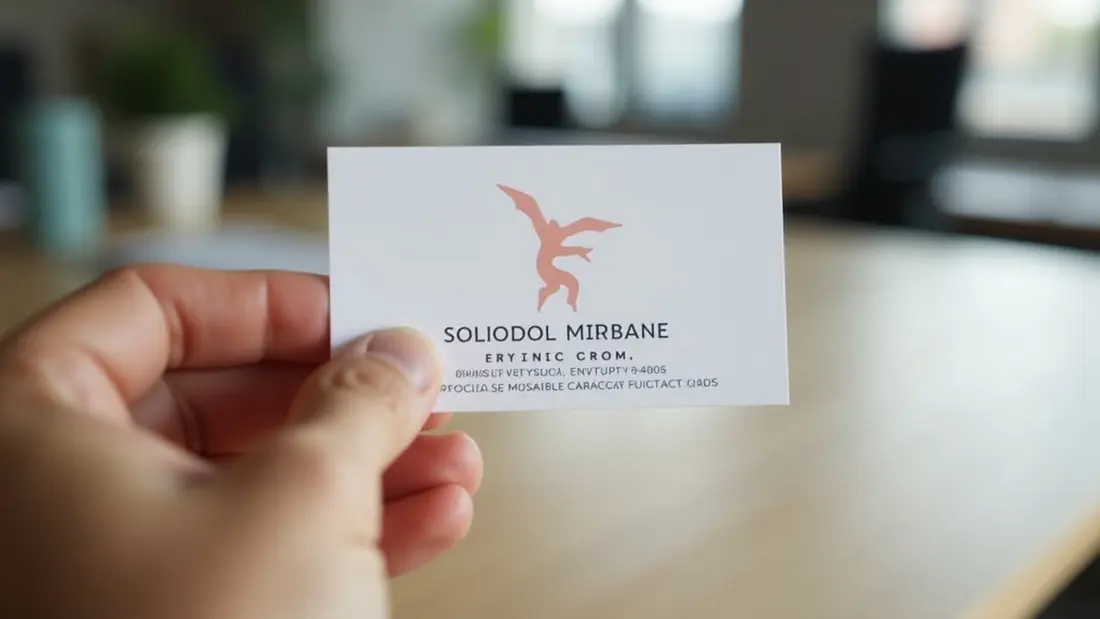
Soft touch is the card people pick up and then keep holding. Somebody hands it over at a meeting in Culver City or across a counter in Sun Valley, and the person receiving it turns it over twice before putting it away. That extra half-second is the entire product. We print soft touch business cards at the shop on Lankershim, and the conversations we have about them are almost never about the printing — they are about colour shift, fingerprints, and whether the finish is worth roughly twice the price of a standard card. Those are the right questions, and they have concrete answers.
Soft touch is a laminate, not a paper stock
This trips people up when they compare quotes. Soft touch is not a kind of card stock — it is a thin matte film laminated onto both faces of a printed card after the ink is down. The film is what you are feeling: a velvet, slightly powdery surface that has a bit of drag against your fingertips, the same texture family as the coating on a premium phone case or a hardcover book jacket.
Because it is a film, it does two structural things beyond the feel. It adds a little thickness and a lot of stiffness, so a laminated card resists the soft corner-curl that untreated stock develops in a wallet. And it seals the printed surface, which means the card is far more tolerant of damp hands, a rained-on jacket pocket and the general abuse of a trade show day than a bare uncoated card is.
Our soft touch business cards start at $54.10, and the default run in the configurator is 50 pieces at $1.08 each. Size, quantity and the remaining options are chosen there — the price updates as you pick, so you are never guessing what the next quantity tier does to the number.
What the film does to your colours — plan for it, don't fight it
Every matte laminate mutes what is under it. Light scatters off that microscopic texture instead of bouncing back cleanly, so saturation drops a little and contrast softens. If you approve artwork on a bright laptop screen at midnight and then hold the printed card under office lighting, the card will look calmer than the screen did. That is not a printing error. That is the finish doing exactly what you bought it for.
Some palettes gain from this and some lose. Deep navy, charcoal, forest green, burgundy and every kind of black go rich and expensive-looking — the muting reads as depth. Earthy and muted brand palettes look considered. What suffers is anything that depends on brightness to work: hot pinks, electric cyans, fluorescent-adjacent oranges, thin bright type on a dark field. If your brand is built on a neon accent, soft touch will quietly take about a step of punch out of it, and you will spend the rest of the run wondering why the card feels flat.
The practical move is to push your artwork slightly harder than you think it needs — a touch more contrast, a shade deeper on the dark values — and to decide in advance which single element is allowed to be the loudest thing on the card. If a colour has to match something that already exists in your world, a printed sample beside the physical object beats any amount of screen matching.
Fingerprints, scuffs, and the dark-card problem
Here is the failure mode nobody mentions in the product photography. A soft touch card printed in solid black or near-black will show fingerprints, and it will show scuffs as faint shiny lines where the matte texture has been burnished flat. Handle a stack of them at a busy event and by hour three the top few cards look handled.
This is a property of dark matte surfaces in general, not a defect. You can design around it in a couple of ways. Backing off from 100% coverage helps most — a very dark grey field forgives what a dead-flat black does not. So does keeping one face lighter, so the card has a side that always looks fresh. And carrying cards in a case rather than loose in a back pocket matters more with this finish than with a glossy one, because gloss hides burnishing and matte reveals it.
The other thing to know before you order: soft touch is not a writing surface. Ballpoint skates, gel ink sits on top and smears, and a permanent marker will take but looks rough. If your card gets used to jot a price, an appointment or a referral name — common for salons, contractors, real estate and anyone who quotes on the spot — either build a deliberate uncoated writing panel into the plan or accept that the card is for looking at, not writing on.
What the finish actually costs, per card
Compare it honestly against the baseline. Our classic business cards start at $25.70, with a default run of 50 at $0.51 each. Soft touch at the same default run is $1.08 each. So the finish is costing you roughly fifty-seven cents a card at that quantity.
That is the whole decision, and it is easier to make in the right unit. Fifty-seven cents is nothing across a box you hand out over a year — you will spend more than the entire upcharge on a single coffee while handing three of them out. But it is real money if you are printing thousands to leave in stacks on counters, and it is wasted money on a card that goes straight into a stack of fifty at a networking event where nobody touches anything twice. Soft touch earns its price when the card is handed to one person, in the hand, in a conversation. It does not earn its price as a leave-behind.
Note also that per-piece prices drop as quantity climbs, so the honest comparison is at the quantity you will actually order, not at the default. Set both configurators to your real number before you decide.
When a different card is the right answer
Soft touch says restraint and quality. It does not say novelty. If the goal is for the card itself to be the conversation — an architect, a photographer, a bar, anyone who wants the object remembered rather than the texture noticed — there are better tools.
Transparency. Clear plastic business cards start at $92.60, default run 50 at $1.85 each. These are the card people keep on a desk because it is see-through, and they are effectively unkillable compared to paper. Design them differently — anything you leave unprinted becomes a window, and that is the point.
Shape. Die cut business cards start at $129.14, with a default run of 100 at $1.29 each. A card cut to a rounded, notched or custom outline stops reading as a rectangle in a stack of rectangles. The cost sits in the cutting, which is why the default run here is larger.
There is also a middle route worth considering: soft touch as the base with one deliberately contrasting element on top. A matte velvet field with a single glossy or raised detail creates a texture contrast you feel before you see it, and it is a far stronger effect than either finish alone. If that is the direction you want, tell us and we will work through what is available for your size and quantity.
Sending us files that survive the laminate
Vector artwork with fonts outlined is the safest thing you can hand over. Build in CMYK, keep an eighth of an inch of bleed all round, and hold anything you care about well inside the trim line — cards are cut in stacks and a logo that sits two millimetres from the edge will look off-centre on some of them even when everything went right.
Two soft-touch-specific notes. Thin light type on a dark field loses a little definition under the film, so bump your smallest text up a point or choose a weight with more body. And build solid blacks as a rich black rather than 100% K alone — under a matte laminate, a single-channel black can read as washed dark grey next to the depth the finish is otherwise giving you.
If you are not sure which finish suits your brand, our business card printing in Los Angeles page lays out the range side by side, and the broader digital printing work covers the short-run, quick-changeover jobs that cards belong to — which is why reprinting fifty cards with a new phone number is not a project.
Angels Print prints soft touch, classic, clear plastic and die cut business cards at 8511 Lankershim Blvd in Sun Valley, for businesses across the San Fernando Valley and greater Los Angeles. If your artwork is ready, pick your size and quantity in the configurator and order online. If you want to feel the finish before committing, or you want to know whether your brand colours will survive the laminate, call us at (818) 806-9006 or bring your file to the shop and we will look at it with you first.